
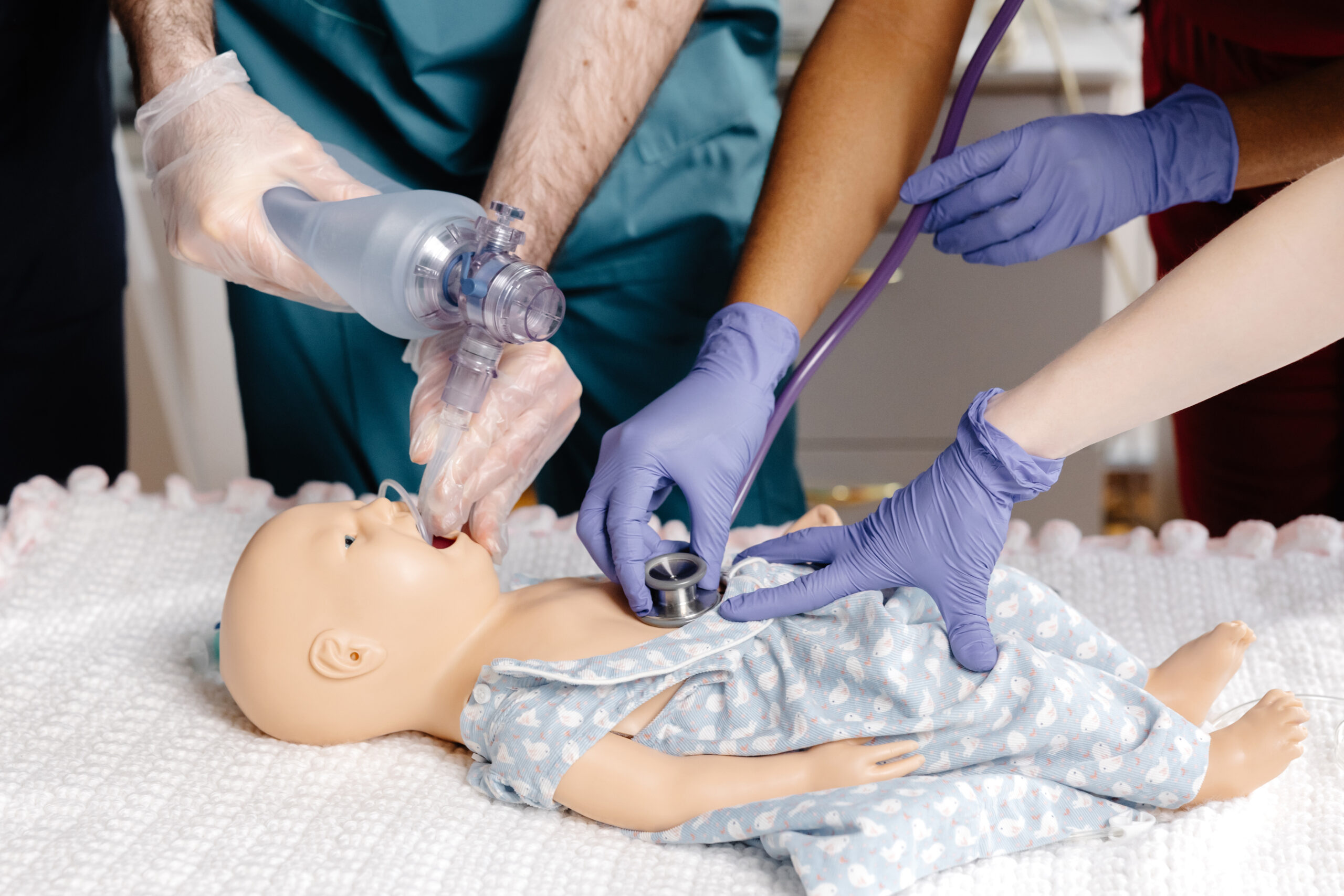
When a child stops breathing or enters cardiac distress, there is no time for hesitation. Pediatric emergencies unfold differently than adult emergencies, and healthcare providers must respond with speed, precision, and confidence. That level of readiness does not happen by accident. It comes from proper training, repeated hands on practice, and a deep understanding of pediatric life support principles.
That is why PALS certification remains one of the most important credentials for healthcare professionals who care for infants and children. At Nationwide Health CPR, the PALS training process is designed to prepare providers for real pediatric emergencies through instructor led guidance, simulation based practice, and evidence based emergency response education.
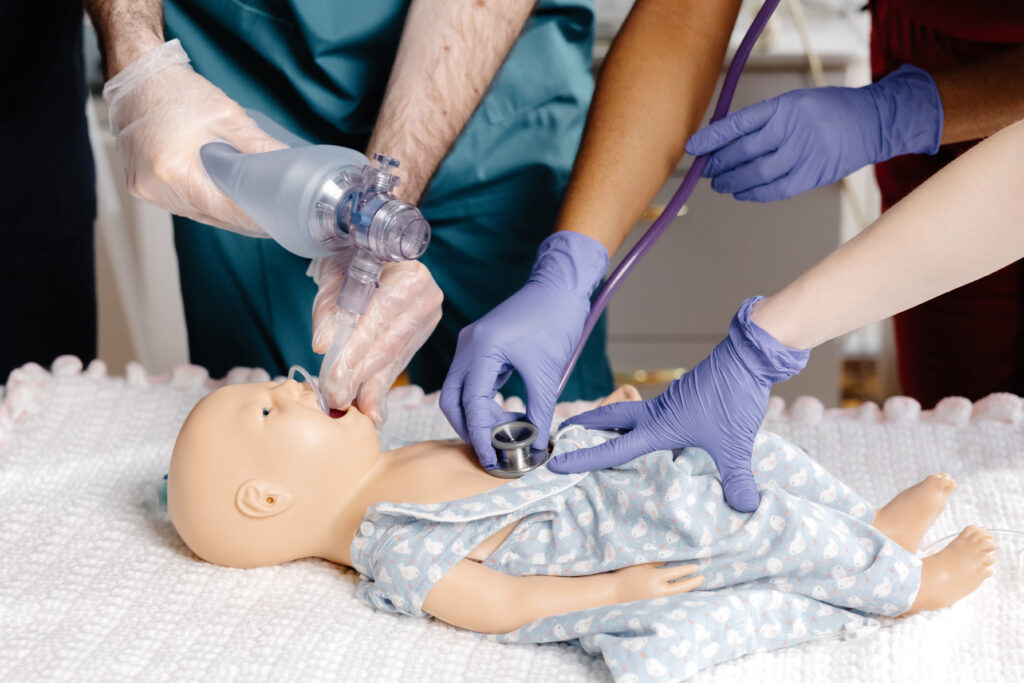
Children respond differently during medical emergencies. Their airway anatomy, circulation patterns, oxygen demands, and cardiac rhythms require a completely different approach from adult patients. In many pediatric cases, respiratory distress appears first, and if it is not recognized early, cardiac arrest can follow quickly.
PALS certification focuses heavily on recognizing these warning signs before conditions escalate. Providers are trained to identify respiratory compromise, shock, arrhythmias, and cardiac arrest using structured pediatric assessment techniques. According to the American Heart Association CPR and ECC Guidelines, early intervention and coordinated team response significantly improve pediatric survival outcomes.
At Nationwide Health CPR, students work through these scenarios in a controlled environment that mirrors the pressure of actual emergency care settings. This allows providers to sharpen both their technical skills and decision making under stress.
The PALS courses at Nationwide Health CPR are not built around passive learning. They are structured around active participation, scenario repetition, and instructor interaction. Students are expected to engage with pediatric emergency simulations while learning how to communicate clearly during high pressure situations.
Hands on practice remains one of the strongest aspects of the training experience. Students learn pediatric airway management, effective ventilation techniques, cardiac rhythm recognition, medication administration principles, and post resuscitation stabilization. More importantly, they learn how all these pieces connect during an actual pediatric emergency.
Because the classes are instructor led, students receive immediate feedback while performing skills. That guidance helps eliminate hesitation and improves long term retention. Providers are not simply memorizing algorithms. They are learning how to think critically while working through emergencies involving infants and children.
You can learn more about available training sessions by visiting the Nationwide Health CPR events page.
Confidence in pediatric emergencies comes from preparation. Many providers feel anxious when responding to children because pediatric emergencies occur less frequently than adult cardiac events. The pressure increases because every second matters and emotions often run high.
That is why repetition plays such a major role during PALS certification. At Nationwide Health CPR, providers repeatedly practice emergency scenarios until their response becomes instinctive. The goal is not simply passing an exam. The goal is building calm, organized reactions under pressure.
During training, students rotate through team roles, communicate interventions aloud, and manage simulated pediatric arrests while instructors evaluate their performance. These exercises strengthen clinical confidence and improve communication between healthcare team members.
The American Heart Association instructor resources emphasize that hands on scenario based training remains one of the most effective ways to prepare providers for real emergencies. Nationwide Health CPR incorporates this principle throughout every PALS course.
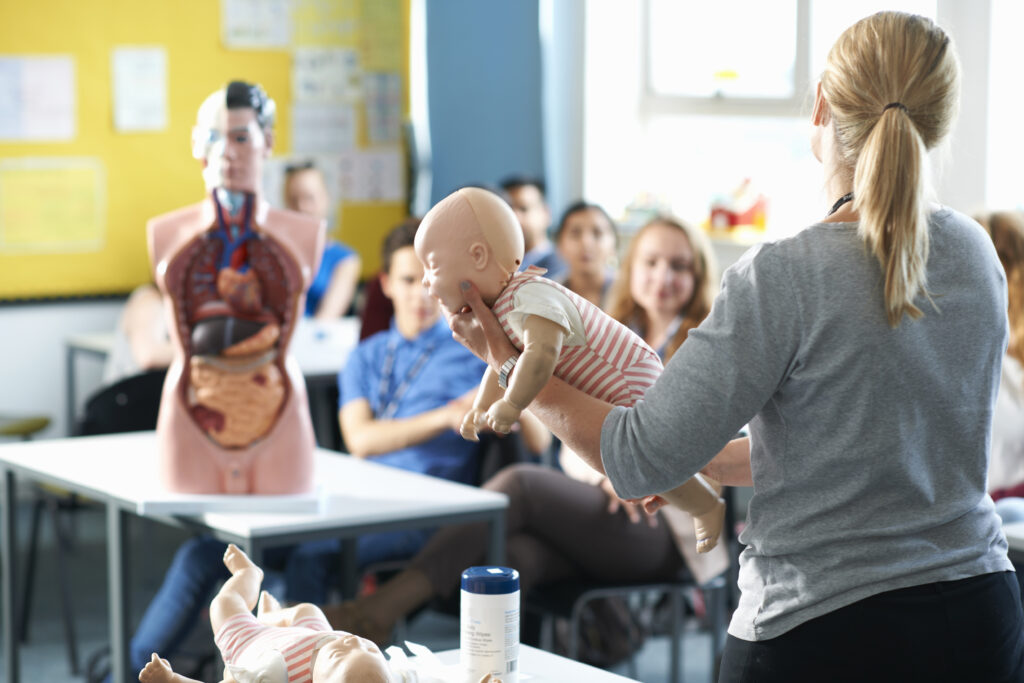
One of the most overlooked aspects of pediatric emergency response is communication. In real emergencies, confusion and silence can slow down treatment. PALS training teaches providers how to communicate interventions clearly, assign responsibilities efficiently, and work together as a coordinated response team.
At Nationwide Health CPR, students participate in team based simulations that require active communication during stressful scenarios. Providers learn how to lead resuscitation efforts while maintaining situational awareness and patient focus.
This training becomes especially valuable for nurses, respiratory therapists, paramedics, emergency room staff, and pediatric care providers who regularly work in fast paced clinical settings. Confidence grows when providers know how to trust both their training and their team.
PALS certification training covers more than CPR alone. Providers learn how to recognize pediatric respiratory failure, shock progression, symptomatic bradycardia, tachycardia, and cardiac arrest before conditions become irreversible.
Students also learn how to use pediatric assessment tools to prioritize treatment decisions. At Nationwide Health CPR, instructors focus heavily on helping providers understand why each intervention matters. This approach creates stronger clinical judgment and better patient care outcomes.
Many healthcare providers who complete PALS certification describe feeling significantly more prepared after working through realistic simulations. They leave with a clearer understanding of pediatric emergency flow, improved confidence in high pressure situations, and stronger leadership skills.
You can also explore our guide on What Every New Instructor Should Know Before Leading Their First Class if you are considering advancing into instructor certification after completing provider training.
Pediatric emergency medicine continues to evolve. Clinical recommendations, resuscitation science, and treatment protocols are regularly updated based on research and patient outcomes. Maintaining current certification ensures providers stay aligned with the latest evidence based standards.
Nationwide Health CPR offers recurring certification and renewal opportunities to help healthcare professionals stay compliant and clinically prepared. The training center supports both initial certifications and recertification courses using current American Heart Association standards.

Pediatric emergencies demand precision, leadership, and calm decision making. Providers who train consistently are more likely to recognize warning signs early, communicate effectively, and perform critical interventions without hesitation.
PALS certification is not simply about earning a card. It is about preparing healthcare professionals to protect children during some of the most stressful moments imaginable. At Nationwide Health CPR, every training scenario is designed to strengthen that preparedness through repetition, instructor guidance, and realistic emergency response practice. When providers leave class feeling more confident than when they arrived, the training has done its job.
If you are ready to strengthen your pediatric emergency response skills or renew your certification with hands on instructor led training, the team at Nationwide Health CPR is here to help. Whether you are a nurse, paramedic, respiratory therapist, or healthcare student, our experienced instructors can guide you toward the right PALS course for your professional goals. Reach out today to learn more about upcoming classes, certification requirements, and advanced training opportunities.