
Every successful resuscitation begins long before chest compressions or defibrillation. It starts with recognition. The ability to identify a patient whose condition is rapidly deteriorating can make the difference between early intervention and a full cardiac arrest. For healthcare professionals, recognizing these warning signs is not simply a clinical skill. It is one of the most important responsibilities they carry every day.
Cardiac arrest remains one of the leading causes of death worldwide. While many people think of cardiac arrest as a sudden event with little warning, healthcare providers often have an opportunity to recognize subtle changes before the patient reaches a critical stage. These moments can provide valuable time to begin treatment, activate emergency resources, and improve the patient’s chances of survival.
At Nationwide Health CPR, this principle is reinforced throughout every instructor-led BLS and ACLS course. Students learn that emergency response begins with careful assessment, strong clinical judgment, and effective communication. Those skills are developed through realistic scenarios that prepare providers for the situations they encounter in hospitals, emergency departments, outpatient facilities, and emergency medical services.
Cardiac arrest occurs when the heart suddenly stops pumping blood effectively throughout the body. Without immediate intervention, oxygen delivery to the brain and vital organs quickly stops, leading to permanent damage within minutes.
Unlike a heart attack, which results from reduced blood flow to the heart muscle, cardiac arrest is an electrical failure of the heart. Although a heart attack can trigger cardiac arrest, the two conditions are not the same. Understanding this distinction allows healthcare providers to recognize when rapid intervention becomes necessary.
The American Heart Association continues to emphasize that early recognition, immediate CPR, rapid defibrillation when appropriate, and advanced life support all contribute to improved survival. These principles serve as the foundation for modern resuscitation education.
One of the greatest misconceptions surrounding cardiac arrest is that it happens without warning. While some patients do collapse suddenly, many experience clinical deterioration beforehand.
Respiratory distress, abnormal heart rhythms, decreased blood pressure, altered mental status, poor skin perfusion, and chest discomfort can all indicate that a patient is approaching a life threatening event. Identifying these changes early allows providers to intervene before the patient loses a pulse.
This is exactly why BLS and ACLS education place such a strong emphasis on patient assessment. Effective providers learn to recognize patterns rather than isolated symptoms. They understand that subtle findings often tell a much larger story.
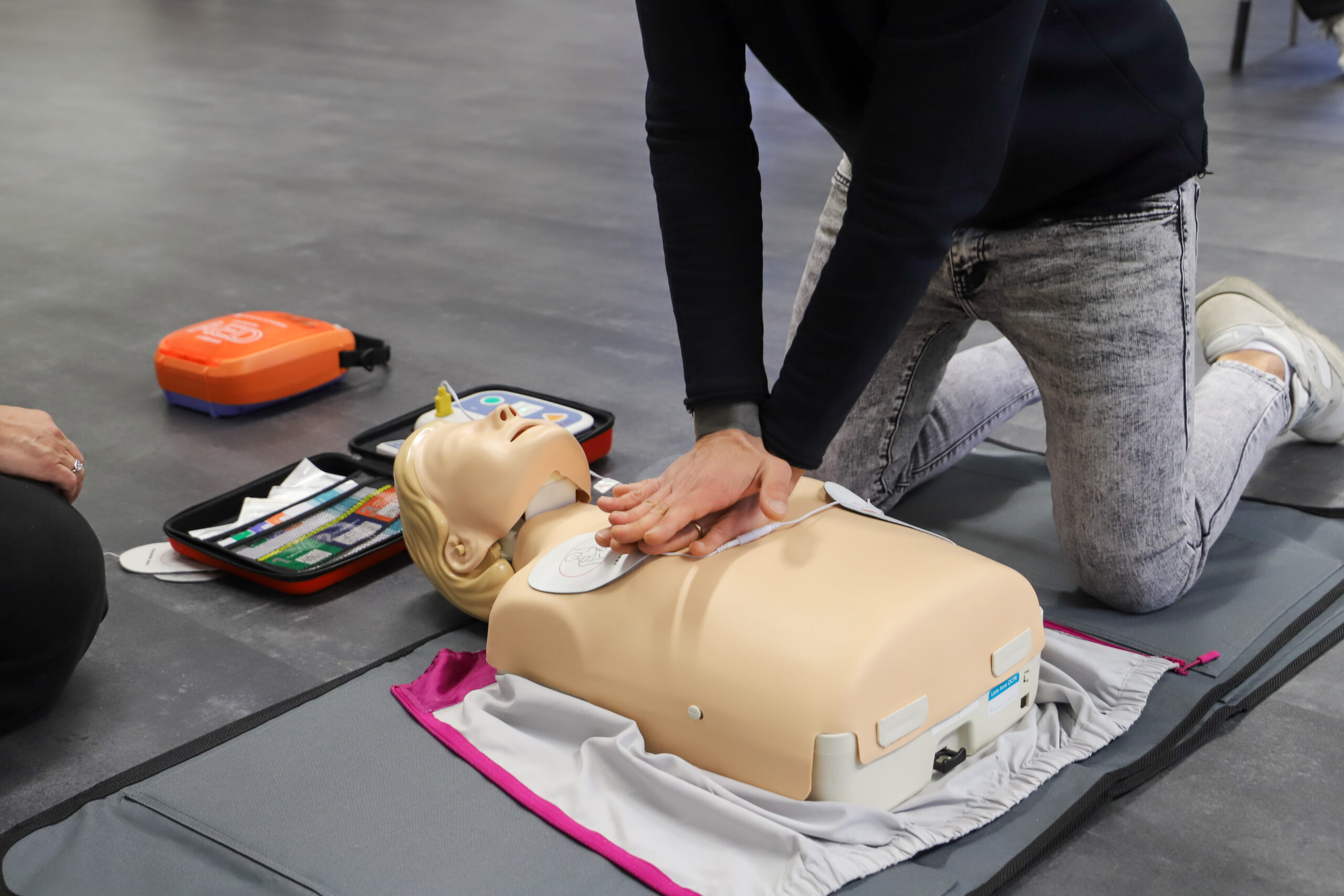
At Nationwide Health CPR, students repeatedly practice these assessment skills during instructor led simulations that mirror real clinical emergencies. Rather than relying solely on classroom lectures, providers actively evaluate patient scenarios, discuss treatment priorities, and build confidence through repetition.
You can learn more about upcoming certification opportunities by visiting our events page.
Healthcare providers rarely have the luxury of unlimited time during an emergency. Decisions often need to be made within seconds, making rapid assessment essential.
One of the earliest indicators of deterioration is a change in breathing. Patients may breathe faster than normal, struggle to complete sentences, or demonstrate shallow respirations. Others may develop irregular breathing patterns that signal declining oxygenation.
Changes in circulation also deserve immediate attention. Cool skin, delayed capillary refill, weak peripheral pulses, or sudden drops in blood pressure may indicate poor cardiac output. While each finding alone may appear minor, together they often reveal that the cardiovascular system is beginning to fail.
Mental status provides another valuable clue. Confusion, agitation, sudden lethargy, or decreased responsiveness frequently occur when the brain receives inadequate oxygen. These neurological changes should never be ignored, particularly when combined with respiratory or circulatory abnormalities.
Providers who routinely perform structured patient assessments become much more effective at identifying these warning signs before cardiac arrest occurs.
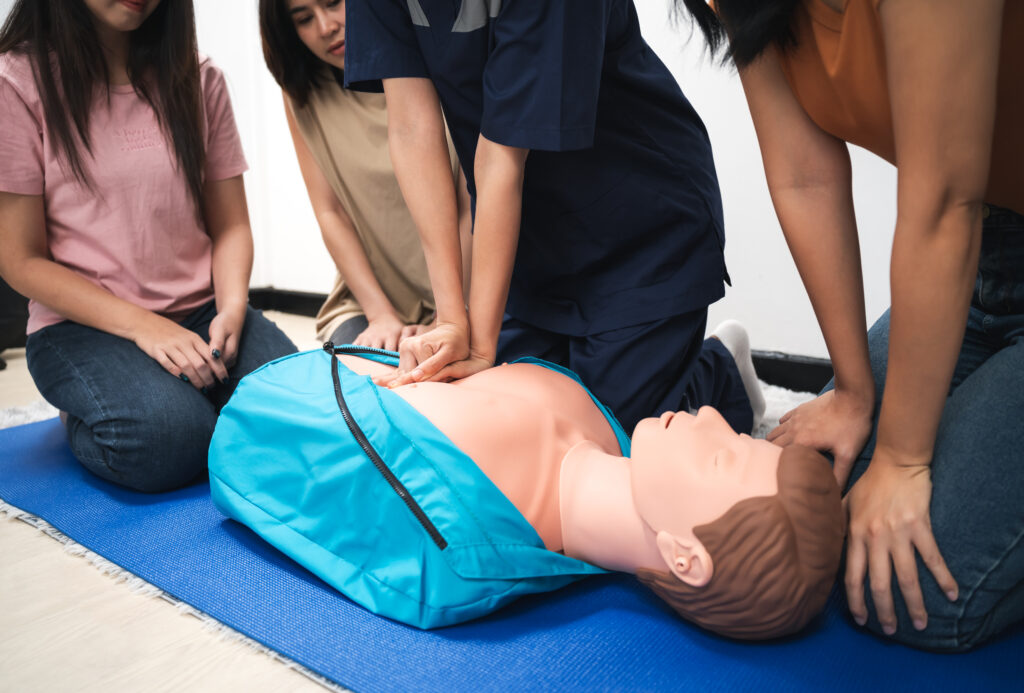
Recognizing cardiac arrest risk is not simply a matter of reading a textbook. It requires repeated exposure to realistic situations where providers must gather information, prioritize findings, and make decisions under pressure.
This is one reason instructor-led education continues to outperform passive learning methods. Students develop confidence by practicing patient assessment in simulated clinical environments rather than simply reviewing algorithms.
At Nationwide Health CPR, both BLS and ACLS courses incorporate scenario based education that encourages active participation. Students rotate through realistic patient encounters while working individually, collaborating as team members, and serving as team leaders.
These simulations reinforce several critical concepts, including recognizing peri arrest conditions, integrating effective CPR with advanced cardiovascular interventions, and maintaining clear communication throughout resuscitation efforts.
Healthcare providers often report that these experiences improve their ability to remain calm during real emergencies because they have already practiced similar situations in training.
Every advanced intervention begins with strong fundamentals. High quality Basic Life Support remains the cornerstone of successful resuscitation.
Nationwide Health CPR emphasizes that early recognition, immediate CPR, and rapid activation of emergency response systems continue to save lives every day. Students who complete the BLS course gain practical experience recognizing emergencies, performing effective chest compressions, using automated external defibrillators, and working efficiently as part of a coordinated team.
Those skills become even more valuable when providers continue into Advanced Cardiovascular Life Support training, where assessment expands beyond CPR to include rhythm recognition, pharmacology, airway management, and leadership during complex emergencies.
Healthcare professionals interested in strengthening these life saving skills can learn more by visiting our BLS and ACLS training programs.
Advancing Assessment Skills Through ACLS
While BLS provides the essential foundation for emergency response, ACLS expands those skills by teaching providers how to evaluate complex cardiovascular emergencies before they become life-threatening. Instead of reacting only after a patient loses a pulse, providers learn how to recognize unstable conditions while there is still an opportunity to intervene.
At Nationwide Health CPR, the ACLS course is built around realistic clinical scenarios that encourage active participation. Students rotate through learning stations where they practice individually, function as part of a resuscitation team, and assume the role of team leader. This approach helps providers understand not only what to do, but why each decision matters.
The curriculum focuses on recognizing and initiating early management of peri arrest conditions, managing cardiac arrest, identifying ischemic chest pain and acute coronary syndromes, recognizing stroke symptoms, understanding ACLS algorithms, and developing effective resuscitation team communication. Every scenario reinforces the importance of making informed clinical decisions under pressure rather than relying on memorization alone.
Healthcare professionals interested in developing these advanced assessment skills can learn more about the ACLS Instructor Course.
Team Communication Can Influence Patient Outcomes
Cardiac emergencies are rarely managed by one person. Physicians, nurses, respiratory therapists, paramedics, emergency medical technicians, and support staff all play important roles during a resuscitation. Effective communication allows each member of the team to understand their responsibilities while reducing delays and preventing mistakes.
One of the strongest aspects of ACLS education is learning how to function within a coordinated team. During simulated emergencies, providers practice assigning tasks, confirming interventions, communicating patient status, and adapting to rapidly changing situations.
Students often discover that technical knowledge alone is not enough. Leadership, communication, and situational awareness become just as valuable as performing procedures correctly. These soft skills frequently determine how efficiently a team responds during a real emergency.
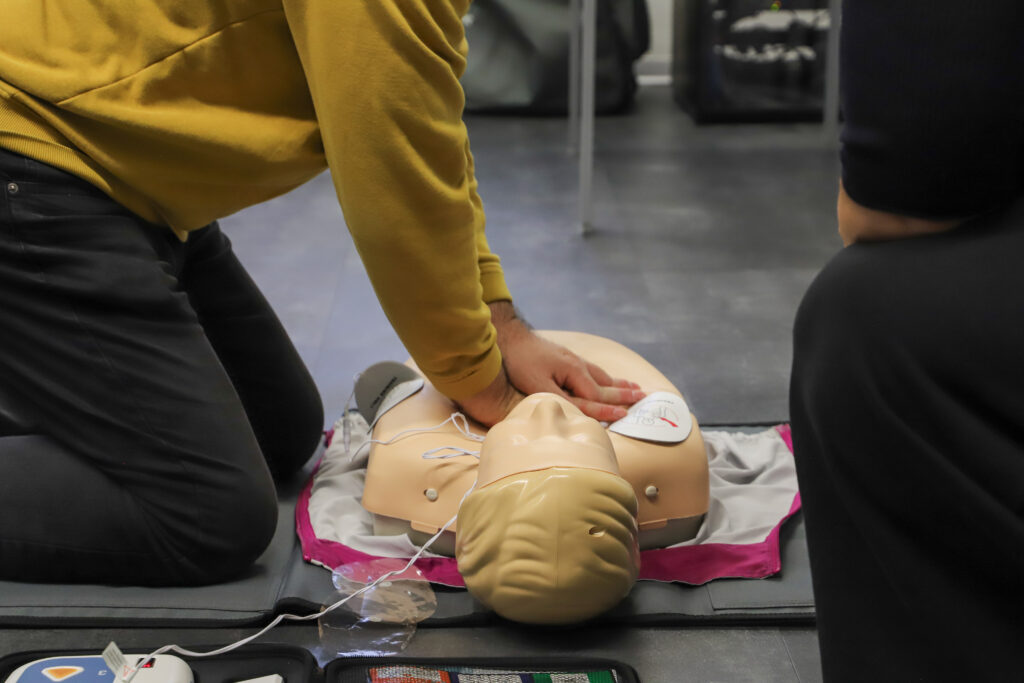
There is a significant difference between reading about emergency medicine and experiencing it through realistic simulations. That difference is one of the reasons instructor-led education remains so valuable.
Nationwide Health CPR incorporates simulation based learning throughout its BLS, ACLS, and instructor programs. Students actively participate in patient scenarios that mirror situations they may encounter in hospitals, emergency departments, outpatient centers, and emergency medical services.
These simulations challenge providers to assess patients, recognize deterioration, initiate appropriate interventions, communicate with teammates, and evaluate treatment effectiveness in real time. Repetition strengthens both technical ability and clinical confidence, allowing providers to perform more effectively when faced with actual emergencies.
Many healthcare professionals report that simulation training was the moment everything began to make sense. The classroom transforms into an environment where decision making becomes instinctive rather than forced.
Healthcare is constantly evolving. Research continues to improve our understanding of resuscitation science, patient assessment, and emergency care. Providers who remain committed to continuing education are better prepared to recognize new evidence based practices and deliver higher quality care.
Maintaining current BLS and ACLS certification allows healthcare professionals to refresh their assessment skills while staying aligned with current American Heart Association recommendations.
The latest guidance from the American Heart Association CPR and ECC Guidelines continues to reinforce the importance of early recognition, high quality CPR, rapid defibrillation when appropriate, and coordinated team response.
Healthcare providers can also explore additional information about Advanced Cardiovascular Life Support through the official American Heart Association ACLS course resources.
The ability to recognize cardiac arrest before it occurs is one of the most valuable clinical skills any healthcare professional can develop. Every assessment, every patient interaction, and every clinical observation presents an opportunity to identify deterioration before it becomes irreversible.
Nationwide Health CPR understands that confidence comes from experience. That is why every instructor led course combines evidence based education with realistic practice, allowing students to develop the judgment needed to perform effectively during high pressure situations.
Whether you are beginning your healthcare career, renewing your certification, or preparing to become an instructor, continuing your education strengthens not only your own abilities but also the quality of care your patients receive.
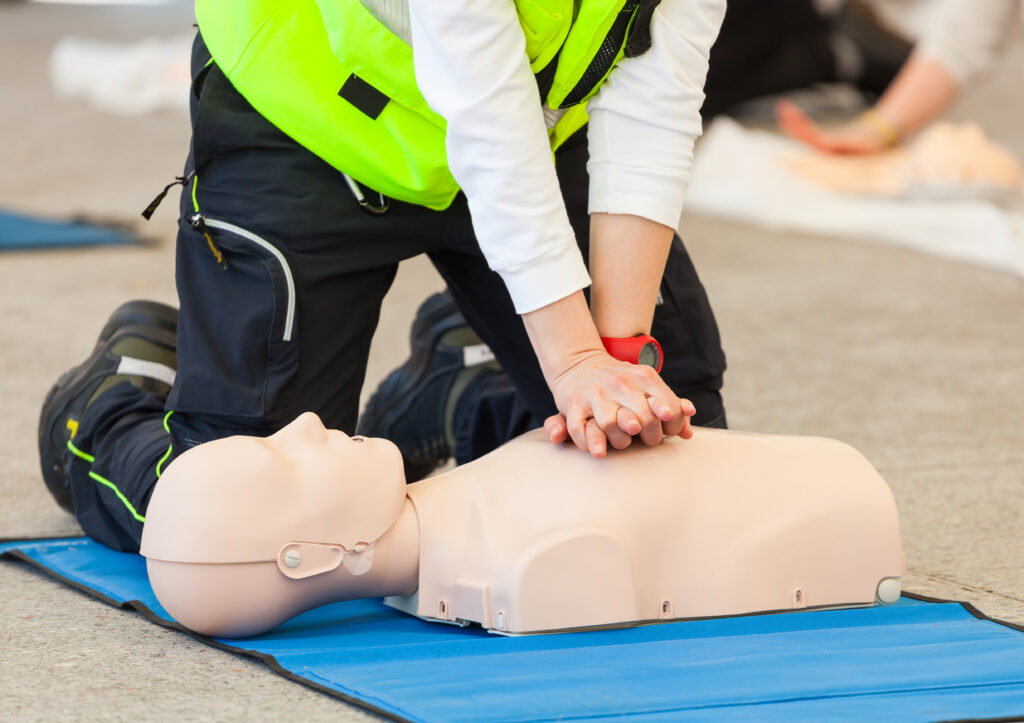
If you are ready to strengthen your emergency assessment skills and build greater confidence in recognizing cardiac emergencies, Nationwide Health CPR offers instructor led BLS, ACLS, PALS, and instructor certification courses designed for today’s healthcare professionals. Every course combines hands on learning with experienced instruction to help students apply their knowledge when it matters most.
To learn more about upcoming classes, certification options, or instructor programs, visit our contact page and speak with a member of the training team.
Recognizing cardiac arrest before it happens is not based on luck or instinct. It is built through education, repeated practice, and a commitment to continuous learning. Providers who understand how to identify early warning signs, communicate effectively, and respond with confidence have the opportunity to influence patient outcomes long before resuscitation begins.
At Nationwide Health CPR, every training program is designed with that goal in mind. By combining evidence-based education, realistic simulations, and experienced instructors, healthcare professionals leave each course better prepared to recognize emergencies, lead with confidence, and provide the highest standard of patient care.