
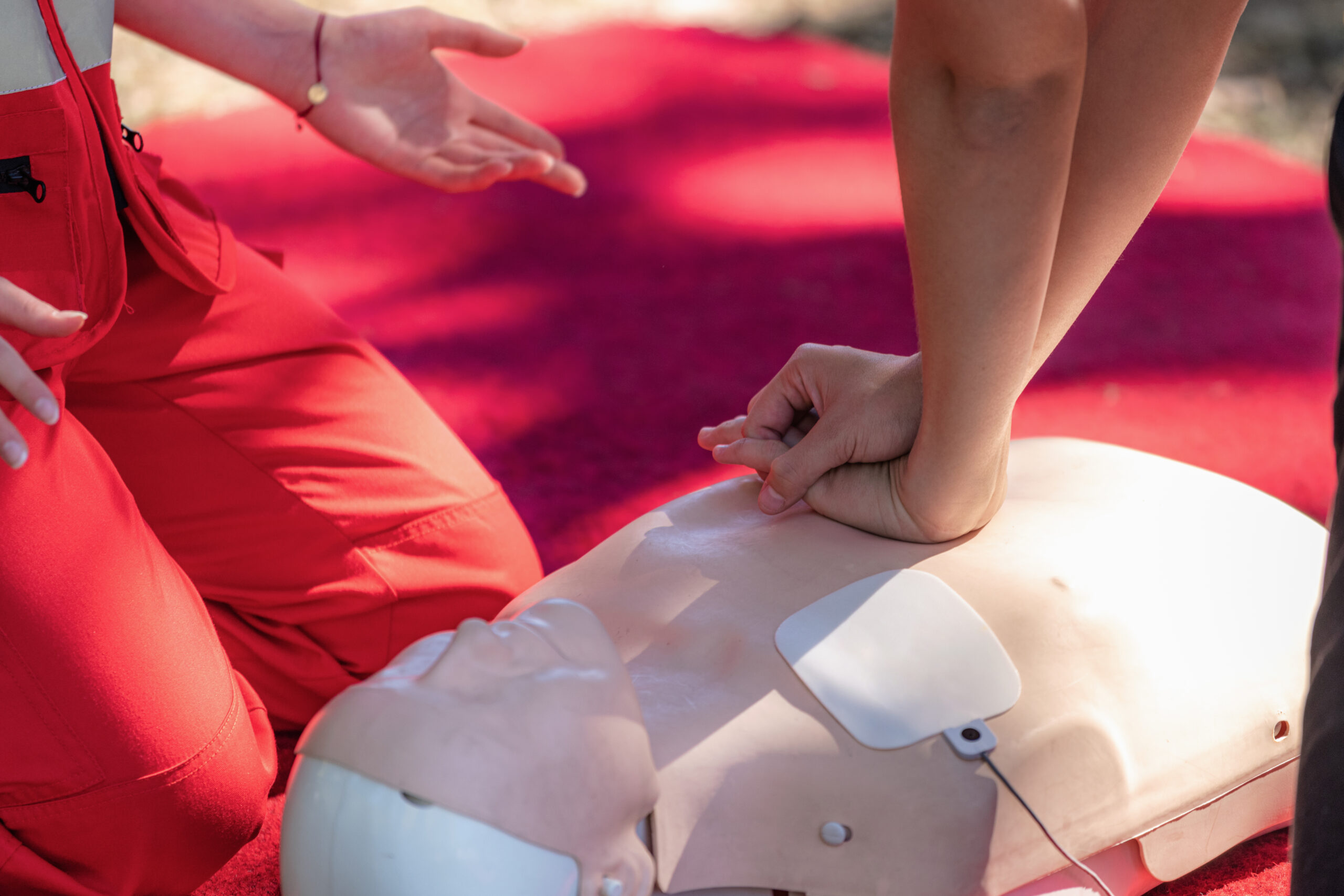
Preparing for an instructor course is very different from preparing for a provider certification. You are no longer being evaluated solely on your ability to perform lifesaving skills. You are being evaluated on your ability to teach those skills clearly, confidently, and according to national standards. Success on training day is not accidental. It is the result of preparation, mindset, and understanding what the instructor’s role truly demands.

An instructor course is designed to transform experienced providers into structured educators. Whether you are pursuing BLS, ACLS, or PALS instructor credentials, the expectations extend beyond technical competence. You must demonstrate that you can present material accurately, manage a classroom, evaluate students objectively, and uphold the integrity of the certification process. Organizations such as the American Heart Association establish strict instructional guidelines to ensure quality and consistency in lifesaving education. Reviewing current standards through the official American Heart Association website before your training day is a smart first step.
One of the most overlooked preparation strategies is reviewing your provider content thoroughly. Many candidates assume that because they perform CPR regularly, they are automatically ready to teach it. Teaching requires a deeper level of understanding. You must know not only the correct sequence but also why each step matters and how to explain it clearly. Reviewing algorithms, skill check sheets, and structured lesson flow before attending your instructor course will strengthen your confidence and reduce hesitation during teaching demonstrations.
Understanding the instruction cycle is critical. Instructor courses are built around a structured teaching process that includes preparation, presentation, hands-on practice, evaluation, remediation, and proper course closure. On training day, you may be asked to lead segments of a class, conduct mock skill assessments, or demonstrate how you would correct a student who is not meeting performance standards. The ability to follow a structured teaching format is just as important as knowing the material itself.
Communication plays a major role in instructor success. Clinical professionals are often skilled at performing under pressure, but teaching requires a different type of clarity. Practicing your verbal explanations before attending your instructor course can make a measurable difference. Speak through CPR steps out loud. Practice guiding an imaginary student through skill corrections. Focus on tone, pacing, and confidence. An effective instructor maintains authority without intimidation and offers corrections without discouragement.
Training day is typically interactive and performance based. You can expect structured discussion, guided practice sessions, peer interaction, and direct evaluation from experienced trainers. Feedback is part of the learning process. Successful instructor candidates approach feedback with professionalism and openness. The goal of the instructor course is not simply to pass you. It is to prepare you to teach safely and competently in real-world environments.
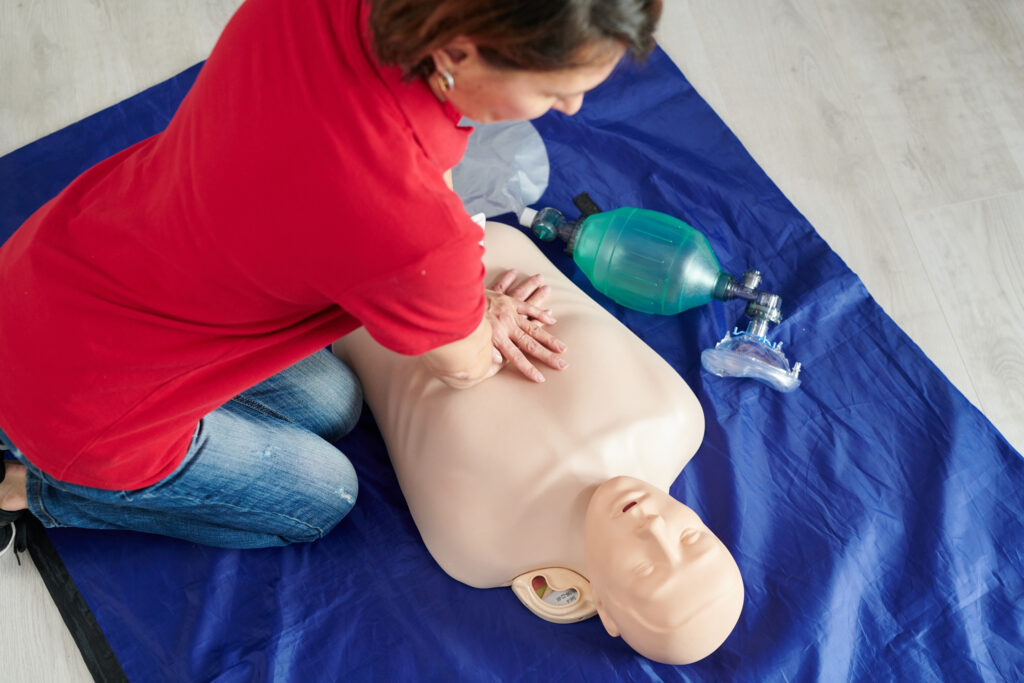
Arriving prepared also demonstrates professionalism. Ensure your provider certification is current, bring any required documentation, and review expectations from your chosen training center. For example, candidates training through Nationwide Health CPR can review course details and requirements directly to ensure nothing is overlooked before arrival.
Another important preparation factor is understanding that certification standards evolve. Staying informed about current science and emergency care recommendations strengthens your credibility as an instructor. The International Liaison Committee on Resuscitation publishes global consensus updates that influence CPR guidelines worldwide. Reviewing updates can provide broader insight into the science behind modern resuscitation practices.
Mental preparation is equally important. On training day, you must think like an instructor rather than a provider. This means observing carefully, correcting respectfully, enforcing standards consistently, and maintaining classroom control. Instructor candidates who remain calm, structured, and organized tend to perform best during evaluations.
It is also important to recognize that completing an instructor course is only the beginning. Many programs require new instructors to be monitored during their first teaching session to ensure compliance with established standards. Ongoing responsibilities include maintaining provider certification, teaching required course minimums, and staying current with updated guidelines. Teaching excellence develops over time through repetition and continuous learning.
Ultimately, success in an instructor course comes down to preparation and mindset. Review your material thoroughly. Practice explaining skills clearly. Understand the instructional flow. Arrive organized and ready to perform. Approach feedback professionally. When you treat your instructor course as a leadership opportunity rather than simply another credential, your performance reflects that commitment.
If you are preparing to enroll in an upcoming instructor course and want structured, supportive training, you can explore available options and secure your seat by visiting our contact page. Taking the time to prepare properly will not only help you succeed on training day but will also position you to lead future students with confidence and authority.