
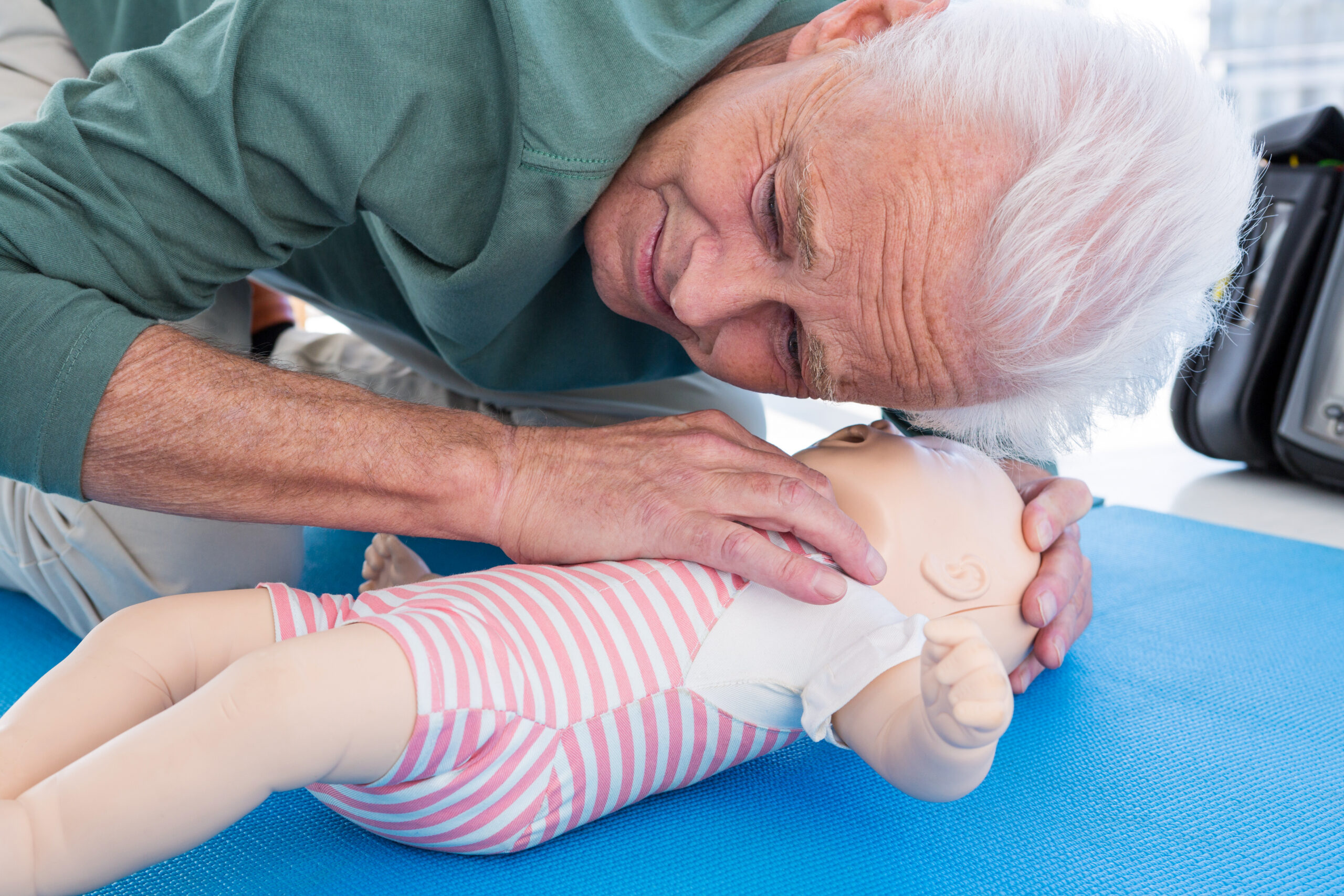
Every second counts when a child’s life is on the line. Pediatric emergencies unfold rapidly, and the margin for error is slim. In these critical moments, healthcare professionals must rely on precise knowledge, confident decision-making, and rapid team response. That is where Pediatric Advanced Life Support (PALS) training comes in.
Unlike general CPR training, PALS focuses on the unique physiological and clinical considerations required when treating infants and children in distress. For healthcare providers and emergency responders, a PALS certification is not just a credential, it is a professional responsibility.
Children are not simply smaller versions of adults. Their heart rhythms, respiratory patterns, and medication responses differ significantly. In a crisis, these differences matter. PALS training helps providers recognize and respond to pediatric-specific signs of cardiac arrest, respiratory failure, and shock with accuracy and urgency.
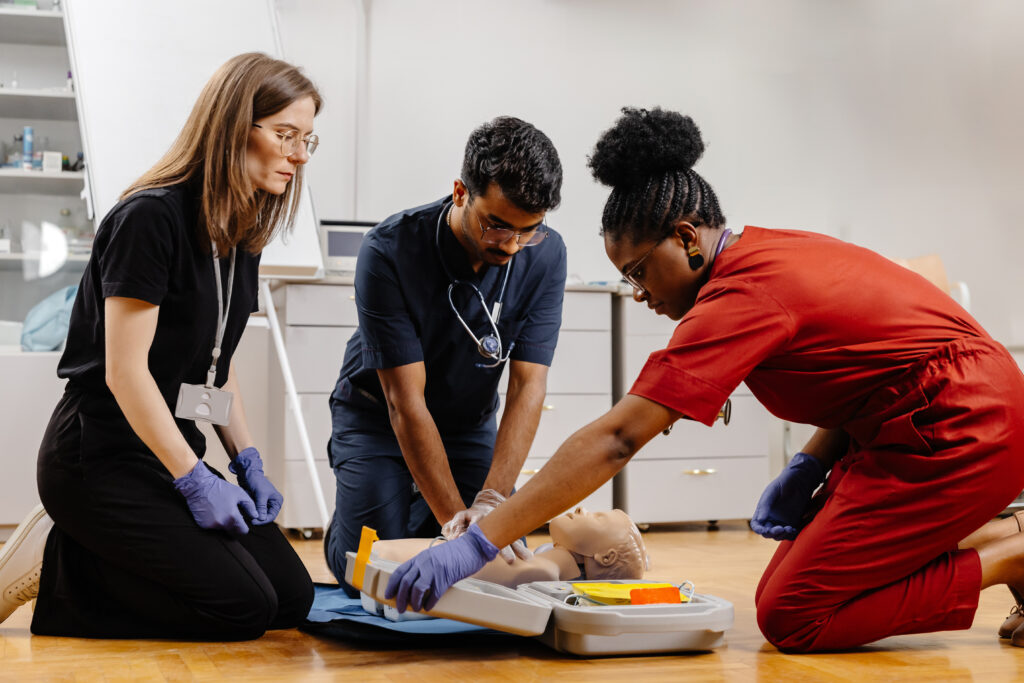
Instructor-led PALS courses, like those offered at Nationwide Health CPR, are designed to build critical thinking and clinical coordination in high-pressure environments. These courses use real-life simulations to mimic emergencies in hospitals, ambulances, and pediatric clinics, allowing students to practice the skills they will need in the field.
From identifying early warning signs to performing advanced interventions, PALS courses ensure providers can deliver evidence-based, age-appropriate care quickly and confidently.
At Nationwide Health CPR, PALS training covers core competencies recommended by the American Heart Association. Students are taught how to assess pediatric patients rapidly and identify life-threatening conditions. They learn how to manage respiratory emergencies by maintaining airway positioning and delivering proper ventilation. The curriculum includes recognition and treatment of bradycardia, tachycardia, and cardiac arrest in children, as well as instruction in vascular access, fluid resuscitation, and medication delivery.
Additionally, learners gain insight into post-resuscitation care strategies that stabilize the patient after an emergency. The course places a heavy emphasis on the importance of communication and leadership in team-based resuscitation, ensuring that students are not just responders, but also contributors to seamless clinical performance.
Hands-on scenarios and skill stations allow students to apply their knowledge in a safe, supervised environment. Instructors provide feedback and guidance, ensuring participants build muscle memory and confidence.
While online modules may offer convenience, they often lack the interactivity and real-world application that instructor-led courses provide. With PALS, the stakes are too high for passive learning.
Instructor-led training brings several advantages. Students benefit from real-time feedback from certified experts, which enhances their understanding and retention. Interactive team dynamics prepare learners for actual pediatric emergencies, where collaboration is essential. Instructor-led training also gives learners access to up-to-date clinical guidelines and best practices.
The realistic simulations used in these sessions reflect actual hospital and pre-hospital environments, creating a more immersive and relevant experience. The in-person format helps reduce hesitation and decision-making fatigue, better preparing participants for real pediatric emergencies.

The true value of PALS is reflected in the stories of healthcare providers who have relied on their training to save lives. Nurses, EMTs, pediatricians, and respiratory therapists often share that it was their PALS certification that gave them the confidence to act quickly and accurately during a child’s medical crisis.
One nurse who trained with Nationwide Health CPR shared that shortly after completing her certification, she was able to guide her team through a respiratory arrest in a toddler by recalling the exact protocol taught in class. Another first responder credited his ability to establish IV access and administer pediatric medication under pressure to the hands-on scenarios practiced during his PALS course.
These stories are not outliers, they are the result of structured, effective, and immersive training that prepares professionals to perform when it matters most.
Nationwide Health CPR offers regular PALS certification and recertification courses. Sessions are conducted by experienced instructors in small group settings to allow maximum participation and individualized feedback.
Upcoming course dates are listed on the Events Page, and those interested in becoming instructors themselves can explore the process on the Instructor Courses page.
For healthcare professionals who are new to pediatric care or seeking a more interactive learning format, Nationwide Health CPR also provides combo training options that integrate PALS with Basic Life Support (BLS) instruction. Learn more about how combined courses are structured by reading this related blog on What You’ll Learn in a Combo BLS and ACLS Course.
The PALS curriculum at Nationwide Health CPR aligns with the most recent updates from the American Heart Association, ensuring that students receive a certification that is recognized nationwide by hospitals, clinics, and emergency departments. More importantly, it equips participants with up-to-date protocols proven to improve outcomes in pediatric resuscitation. Certification cards issued by Nationwide Health CPR are valid for two years and fulfill requirements for most healthcare and emergency service roles.
For more details about course schedules, certification requirements, or which training is right for your role, visit our contact page. Our team is ready to help you take the next step in your pediatric emergency training with expert guidance and flexible class options.