

For healthcare professionals, becoming an instructor is more than a certification. It is a step into leadership, education, and frontline preparedness. At Nationwide Health CPR, instructor certification is not just about meeting guidelines. It is about preparing you to teach life-saving skills with clarity, accuracy, and confidence. If you are considering taking that next step, this breakdown will give you a complete look at what to expect before teaching your first class.
Instructor certification begins with a strong foundation in clinical training. Whether you are pursuing certification in BLS, ACLS, or PALS, the American Heart Association (AHA) requires that you already hold provider-level certification. From there, you must complete the instructor course, which includes both online and classroom components.
At Nationwide Health CPR, the process is designed to make your transition into instruction seamless. After completing the required online AHA Instructor Essentials Course, you attend an in-person session where you learn how to deliver curriculum, run scenarios, and evaluate students. But the training does not stop there.
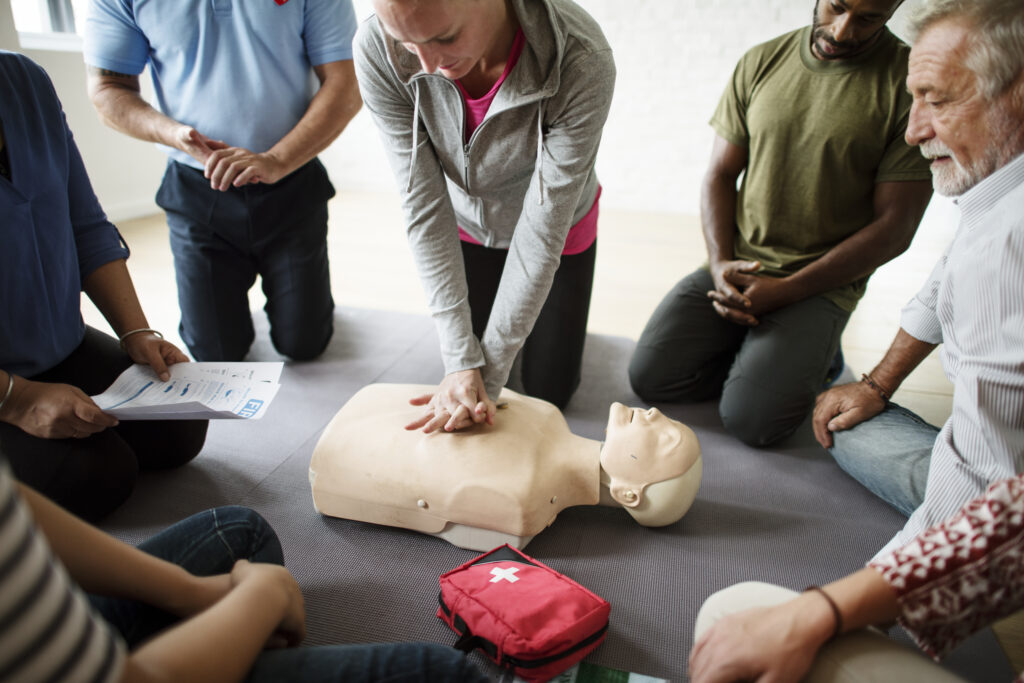
One of the most crucial components of instructor certification is the monitored class. This is where you apply your knowledge under supervision before teaching independently. It is not simply a test, it is a learning opportunity.
You will observe experienced instructors and receive real-time feedback as you lead portions of a class. This monitored session helps you refine your communication, manage group dynamics, and troubleshoot real classroom challenges. At Nationwide Health CPR, mentorship is a priority. Our team provides ongoing support during and after your certification to help you grow as an educator.
Many professionals underestimate how different instructor certification is from provider-level courses. While provider training focuses on applying protocols, instructor training demands that you understand why those protocols exist and how to teach them.
You will learn how to set up scenarios that simulate real emergencies, how to handle student questions with evidence-based answers, and how to assess whether someone is truly ready to be certified. It is not about memorizing a manual. It is about mastering the material to guide others through it with confidence.
Teaching life support requires more than clinical skill. It requires poise, organization, and the ability to adapt. Before your first class, make sure you understand how to use the AHA training materials, how to set up manikins and AED trainers, and how to manage your time effectively.
Nationwide Health CPR provides all the tools you need to succeed, from instructor kits to ongoing administrative support. But you also need to prepare mentally. Expect to answer tough questions, respond to unique learning styles, and lead high-stakes simulations. The first class is the most important as it sets the tone for your teaching career.

Instructor certification is a career asset. It opens new doors, enhances your resume, and makes you a resource to your colleagues. Hospitals, clinics, and educational institutions all value staff who can train others, ensure compliance, and raise the standard of care.
More than that, becoming an instructor deepens your own understanding of emergency response. When you teach others how to save lives, you sharpen your ability to lead in real crises. That alone makes the investment worthwhile.
Instructors at Nationwide Health CPR consistently say the same thing, teaching life support changes the way you see your profession. One BLS instructor shared how leading her first class helped her feel more confident during an actual hospital code. Another ACLS instructor said teaching the algorithm forced him to understand it on a deeper level than he ever had as a provider.
These real experiences highlight what makes instructor certification so valuable. It is not just about the course. It is about the transformation that happens when you take responsibility for preparing others to act under pressure.
If you are ready to become a certified instructor in BLS, ACLS, or PALS, Nationwide Health CPR offers expert-led courses that meet all AHA requirements and go beyond with hands-on mentorship and practical teaching experience.
You can view upcoming events and classes on our events page or reach out directly to contact our team for guidance on which course is right for you.
To learn more about national AHA instructor guidelines and updates, you can visit the American Heart Association Instructor Network for detailed resources and ongoing education.