
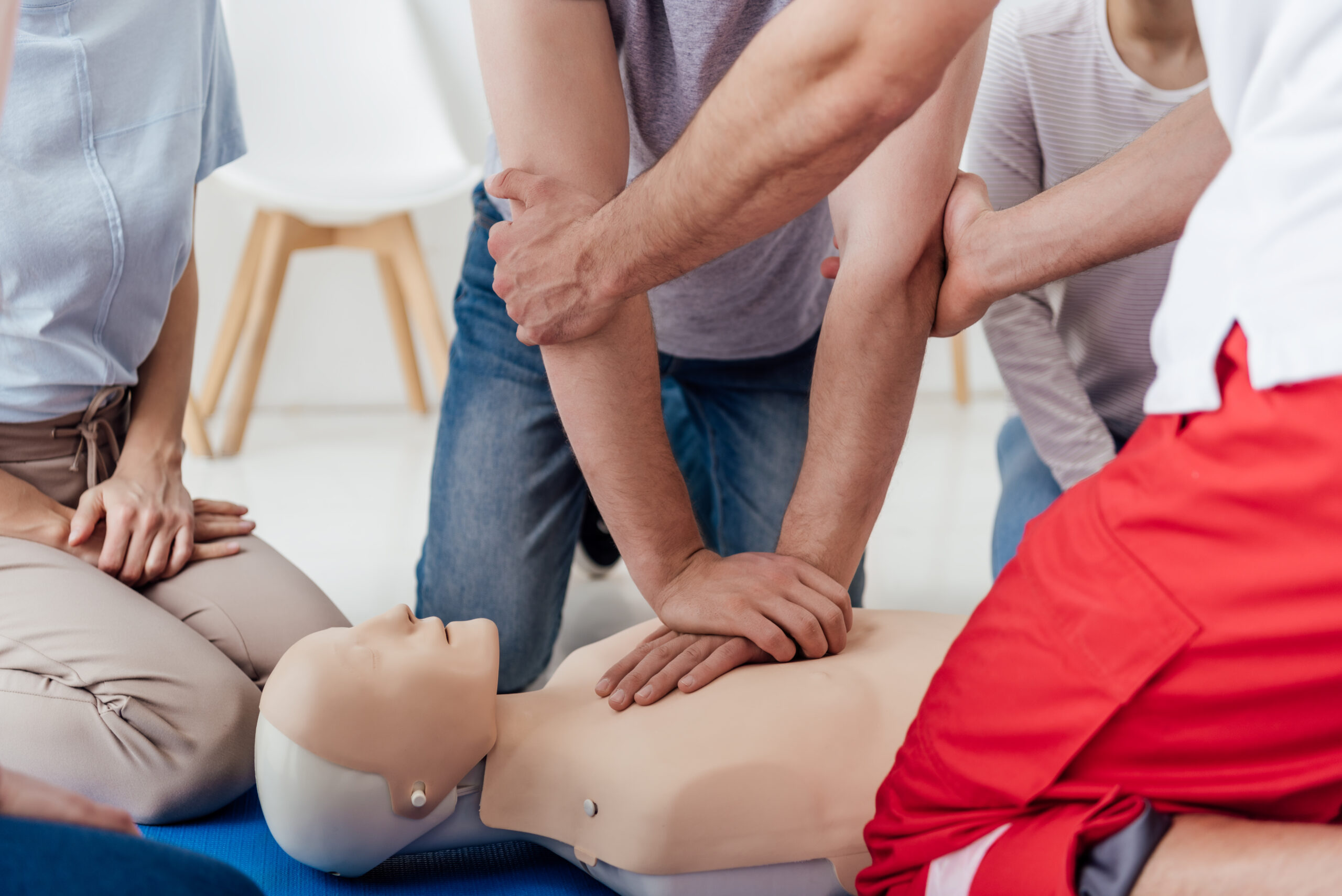
Becoming a leader in lifesaving education is more than an achievement. It is a responsibility. For healthcare professionals and experienced responders, advancing from provider to educator represents a powerful step forward in both career growth and community impact. A BLS CPR Instructor Certification Program equips qualified individuals with the skills and confidence needed to train others in critical emergency response techniques. If you are considering enrolling in an instructor course, understanding what to expect will help you prepare for success and maximize your professional potential.
A Basic Life Support instructor course is designed to prepare certified providers to teach high quality CPR and emergency response skills using structured educational methods. This specialized training transforms experienced professionals into confident educators who can deliver accurate, effective, and compliant instruction.
The primary objective of the course is to ensure that instructor candidates can lead BLS classes while maintaining the highest standards established by the American Heart Association. Participants learn how to present course material, evaluate student performance, and uphold certification requirements. These skills are essential for maintaining consistency, accuracy, and excellence in lifesaving education. Professionals seeking structured and comprehensive training can explore programs offered by Nationwide Health CPR.
Who Should Enroll in an Instructor Course
A BLS CPR instructor course is ideal for individuals who are passionate about education and emergency preparedness. Candidates typically include healthcare professionals and experienced responders who wish to expand their influence and leadership within their organizations and communities.
This program is particularly beneficial for healthcare providers such as nurses, physicians, and medical assistants, emergency responders including paramedics, EMTs, and firefighters, allied health professionals, corporate safety officers, and educators responsible for teaching CPR certification courses.
By completing an instructor course, these professionals gain the credentials needed to train others in lifesaving techniques while enhancing their own career opportunities.

Before enrolling, candidates must meet specific eligibility requirements. These prerequisites ensure that instructor trainees possess the necessary knowledge and competency to teach effectively.
Typical requirements include holding a current BLS Provider certification, demonstrating proficiency in CPR and AED skills, completing an instructor application process, and affiliating with an authorized training center.
Meeting these standards ensures that participants enter the course prepared to succeed and uphold the integrity of professional CPR education.
A comprehensive instructor course provides both theoretical knowledge and hands-on training. The curriculum focuses on equipping candidates with the tools necessary to deliver high-quality instruction and evaluate students effectively.
One of the most important aspects of the program is understanding the five steps of the instruction cycle: prepare, teach, test and remediate, close, and keep current. This structured approach ensures that instructors deliver consistent and effective training aligned with industry standards. The American Heart Association provides national guidance on CPR training standards,
Instructor candidates develop presentation and communication skills that foster a positive learning environment. They learn how to simplify complex information, engage students, and promote skill retention through interactive instruction.
Accurate assessment is essential in CPR training. The instructor course teaches candidates how to evaluate students objectively, provide constructive feedback, and ensure competency in lifesaving techniques.
Participants become familiar with official course manuals, lesson plans, and digital resources. These materials support standardized education and reinforce consistency across all training sessions.
Beyond teaching skills, instructor candidates learn how to schedule courses, manage equipment, maintain compliance, and administer certifications effectively.
Earning certification through a BLS CPR instructor course provides numerous personal and professional advantages. It establishes credibility, enhances career prospects, and empowers individuals to make a meaningful difference.
Career advancement opportunities increase as becoming a certified instructor distinguishes professionals within the healthcare and emergency response industries. It demonstrates leadership, expertise, and a commitment to excellence.
Certified instructors may also increase earning potential by teaching certification courses independently or through affiliated organizations.
Teaching CPR strengthens leadership abilities and contributes to long term career growth while creating a meaningful community impact.
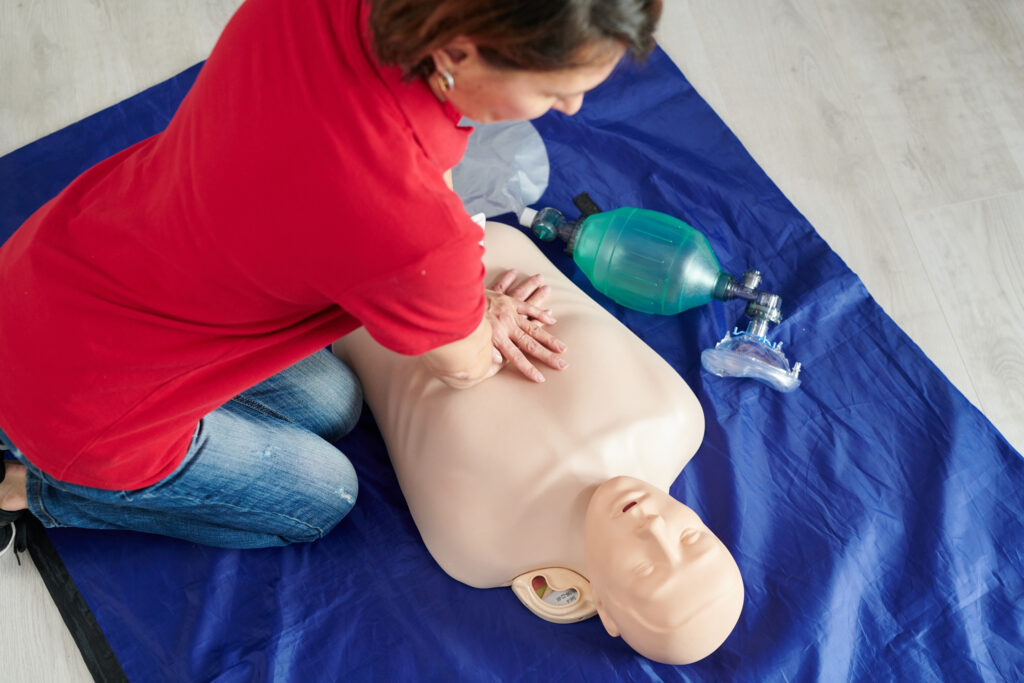
Instructor candidates can anticipate a structured and engaging learning experience. Training typically includes a combination of lectures, demonstrations, and hands-on practice.
Participants will review course policies and expectations, practice delivering instructional presentations, demonstrate CPR and AED techniques, conduct student evaluations, and receive feedback from experienced trainers.
Those interested in enrolling can review upcoming classes by exploring our schedule page
Selecting the right training provider is essential for a successful learning experience. A reputable training center ensures compliance with national standards while delivering high quality instruction.
Nationwide Health CPR is recognized for its commitment to excellence, experienced instructors, and supportive learning environment. Students receive personalized guidance and practical training that prepares them for real world teaching scenarios.
Enrolling in a BLS CPR instructor course is an investment in your future and your community. This specialized training equips professionals with the knowledge, confidence, and credentials needed to educate others in lifesaving techniques. From mastering instructional methods to leading certification courses, the journey from provider to instructor opens doors to leadership and career advancement.
If you are ready to inspire, educate, and make a lasting impact, now is the time to take the next step. By completing an instructor course, you will play a critical role in shaping the next generation of lifesavers.To secure your seat or request additional information, contact us today.